Anxiety
Drama Therapy for Anxiety
How creative and embodied approaches address anxiety at its root, building spontaneity, confidence, and emotional flexibility.
How creative and embodied approaches address anxiety at its root, building spontaneity, confidence, and emotional flexibility.
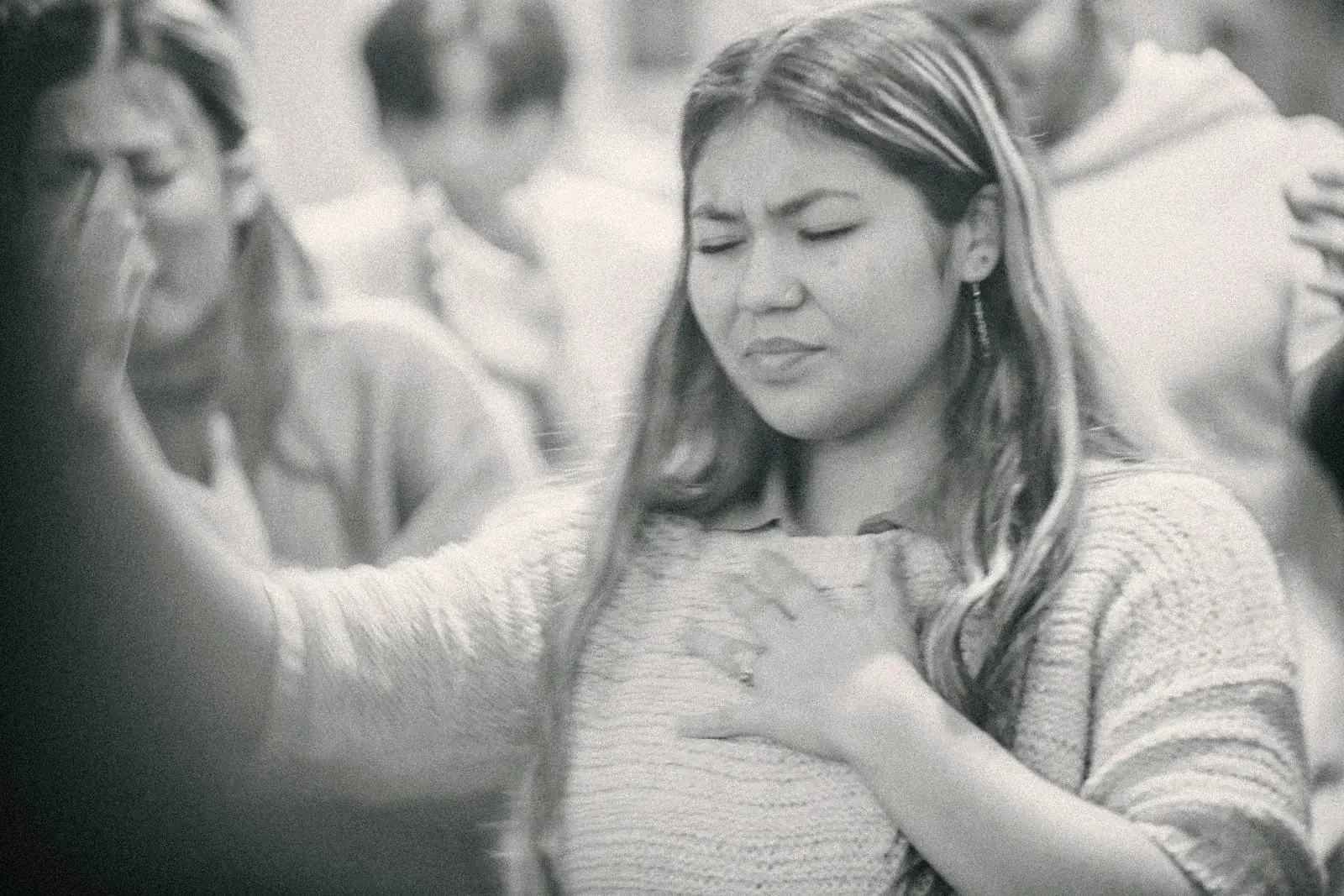
Anxiety runs on the need to know what comes next. Improvisation teaches your nervous system, not your reasoning mind, that not knowing is survivable. That's not a reframe. It's a re-training.
Anxiety thrives on avoidance. The more we avoid feared situations, thoughts, or feelings, the more powerful they become. Drama therapy interrupts this cycle. Not by confronting fears head-on in a way that overwhelms, but by creating structured, playful, and gradual opportunities for new experience.
There are several ways drama therapy is effective for anxiety:
Social anxiety disorder, which involves intense fear of social judgment and humiliation, is the anxiety presentation that benefits most directly from drama therapy. Research has consistently shown significant reductions in social anxiety symptoms following group drama therapy interventions.
Group drama therapy for social anxiety works through several interconnected processes:
Key research: Hod Orkibi and colleagues at Haifa University have published studies demonstrating significant reductions in social anxiety and improvements in social self-efficacy following group drama therapy interventions with adolescents and young adults.
For people with generalized anxiety disorder (GAD), which involves chronic worry across multiple areas of life, drama therapy works by externalizing worries through story and character work to create distance from anxious thoughts, building spontaneity and tolerance for uncertainty through improvisation, addressing perfectionism and the need for control through play and creative risk-taking, working with the body to regulate chronic physiological arousal, and exploring alternative narratives such as what if things go well, rather than only catastrophic scenarios.
Drama therapy is particularly well-suited to children and adolescents with anxiety. Children's natural language is play, and drama therapy meets them there, making engagement easier and less threatening than talk therapy approaches that can feel clinical and exposing.
Drama therapy for anxious young people might include:
Research supports drama therapy for school-based anxiety prevention programs, with evidence for reduced anxiety symptoms and improved social competence in young people.
Drama therapy also has a natural application for performance anxiety, whether in academic testing, public speaking, athletic performance, or artistic performance itself. Working in a drama therapy context actually reduces performance anxiety because the emphasis is on process rather than product, there is no audience judging the outcome, improvisation and play build tolerance for imperfection and uncertainty, and the therapeutic relationship provides warm support.
A drama therapy session for anxiety includes physical and playful warm-up activities designed to reduce self-consciousness and shift from anxious self-monitoring to engaged presence; improvisation exercises that build spontaneity and comfort with the unexpected; roleplay scenarios where specific feared situations are practiced at appropriate levels of challenge; reflection on what emerged in the dramatic work and what it means for real life; and de-roling and grounding to close each session in a calm, oriented state.
Sessions are paced to work within the client's zone of tolerance, using graduated exposure rather than flooding. Play and creative engagement maintain a positive enough emotional tone that the work remains therapeutic rather than overwhelming.
Different anxieties need different doorways. What works for social anxiety isn't what works for a child with separation fear.
| Subtype | Primary methods | Format | Evidence |
|---|---|---|---|
| Social anxiety | Group roleplay, improv games, graded social scenes, witnessing work. | Group (strong preference) | Strongest. Orkibi et al., Haifa. |
| Generalized anxiety (GAD) | Externalize worry via character, embodied regulation, alternative storylines. | Individual or group | Emerging case series. |
| Performance anxiety | Process-over-product improv, embodied warm-ups, rehearsal under witness. | Individual, often short-term | Applied work with performers & athletes. |
| Children / adolescents | Puppet work, story with brave characters, structured group games. | Group (school-based) or individual | School prevention programs. |
Movement and play to drop self-monitoring and shift out of anxious rumination.
Short improv prompts that build tolerance for uncertainty, for not knowing the line ahead of time.
The specific feared scenario, interview, social encounter, difficult conversation, practiced at graded intensity.
De-role, reflect, bring one small takeaway into the next real-life test.
Not an either-or. Many clients benefit from both, sometimes sequenced, sometimes braided.
| EmbodiedDrama therapy | CognitiveCBT | |
|---|---|---|
| Main lever | Rehearsal, spontaneity, embodied regulation. | Cognitive restructuring, exposure, homework. |
| Best for | Social anxiety, kinesthetic learners, shame-heavy presentations. | Worry, panic, clients who learn well through structured protocols. |
| Session feel | Active, often group, playful, reduces self-consciousness in the room. | Seated, structured, worksheet- and dialogue-driven. |
| Evidence base | Growing, strong for social anxiety (Orkibi et al.). | Large, the gold standard across anxiety subtypes. |
| Combine them? | Yes, many clinicians braid the two, or sequence drama therapy after CBT stalls on embodied/shame dimensions. | |
Illustrative effect sizes from published drama therapy group studies. Social anxiety is the strongest signal.
Cohen's d · higher is a larger effect · 0.8+ is considered large · figures illustrative
Also relevant: is drama therapy right for me?, drama therapy for autism, exercises for anxiety.
Yes. Drama therapy addresses anxiety by building tolerance for uncertainty and spontaneity, rehearsing feared situations through safe roleplay, reducing self-consciousness through play, and developing emotional regulation through embodied expression. Research supports its effectiveness particularly for social anxiety disorder.
Drama therapy reduces social anxiety by creating a playful, structured context for social interaction that gradually builds confidence and tolerance. Group drama therapy provides repeated low-stakes social experiences, roleplay allows rehearsal of feared situations, and the group witness provides a healing corrective to shame. Research specifically shows reduced social anxiety following group drama therapy interventions.
Key drama therapy techniques for anxiety include roleplay rehearsal of feared situations, warm-up games that build spontaneity and reduce performance anxiety, embodied relaxation and breathing exercises, storytelling to explore anxious thoughts at a safe distance, character work to access inner strengths, and group drama activities that normalize social experience.
Drama therapy and CBT address anxiety through different but complementary pathways. CBT restructures anxious thoughts cognitively. Drama therapy works through embodied experience, behavioral rehearsal, and relational play. For some people, especially those who are kinesthetic learners or find CBT too intellectual, drama therapy may feel more natural and effective. Many therapists combine both approaches.
Yes. Drama therapy is particularly effective for anxious children because it works through play, which is the natural language of childhood. Anxious children often engage more readily with drama therapy than with talk therapy. Drama therapy for anxious children might include puppet work, storytelling with characters who face fears, roleplay scenarios, and group games that build confidence and social connection.
Online-Therapy.com is a structured online therapy platform with worksheets, journals, video sessions, and licensed therapists. A useful bridge if you need to start online while searching for a specialty drama therapist.
Depression · Trauma · Children · Autism
See the mental health section for psychiatry, psychosis, anxiety and depression-related drama therapy titles.